What’s Online Banking and How It Works

Learn what online banking is, how it works, its advantages, safety tips, and how modern mobile banking apps help manage money online
A few years ago, most people still visited physical bank branches for basic tasks like checking balances, paying bills, or sending money.
Today, many of those same tasks can be done in seconds directly from a phone.
That shift is one reason online banking has become such a normal part of daily life.
Instead of waiting in lines or searching for the nearest ATM, people now use banking apps to transfer money, track spending, freeze cards, pay subscriptions, and even manage international payments remotely.
However, many beginners still feel confused about how online banking works, whether it is safe to use, and what you can actually do through a mobile banking app.
In this guide, we’ll explain what online banking is, how it works in practice, how to use it safely, and why millions of people now rely on digital banking every day.
Key Takeaways
- Online banking allows people to manage finances directly from their phone or computer without visiting a bank branch.
- Most modern banking apps let users transfer money, pay bills, freeze cards, and track spending in real time.
- A mobile banking app can save time, but users still need to follow basic security precautions.
- Features like instant notifications and digital payments made digital banking part of everyday life for many people.
- Strong passwords and two-factor authentication help make online banking much safer.
What’s Online Banking?

Online banking allows people to manage their finances through the internet instead of visiting a physical bank branch for every transaction.
Most banks today offer their own mobile banking app or web platform where users can check balances, transfer money, pay bills, manage cards, and monitor spending directly from their phone or computer.
A few years ago, many people still visited banks for simple tasks like sending money or checking account activity. Today, those same actions usually take only a few seconds through a banking app.
This is one reason digital banking became such a normal part of everyday life, especially for online shopping, subscription payments, international transfers, and contactless purchases.
Modern banking apps also give users much more control over their finances.
For example, many people now receive instant notifications after every payment, freeze their debit card immediately if they lose it, or track monthly spending directly from their app without speaking to customer support.
Traditional banks now commonly provide these services through their own apps, while companies like Revolut and PayPal have helped make online financial services even more common worldwide.
Even though everything happens digitally, your account is still connected to a real financial institution and protected through the same banking systems and security measures used by traditional banks.
How Does Online Banking Work?
Using online banking is usually much simpler than many beginners expect.
Once you open a bank account, most banks allow you to activate their mobile banking app through your phone or computer.
After logging in securely, the app connects directly to your bank account and lets you manage most banking tasks remotely.
For example, you can check your balance before shopping, transfer money to another person, pay utility bills, receive salary payments, or review recent transactions without visiting a physical branch.
Most modern banking apps also work in real time. If you buy something with your debit card, the app will often send an instant notification showing:
- where the payment happened
- how much money was spent
- and what your remaining balance looks like
Another reason many people now prefer digital banking is convenience.
Imagine losing your card while travelling. Instead of calling customer support and waiting for help, many apps now allow you to freeze or block your card instantly from your phone until you find it again.
Some banking apps also support international transfers, online subscriptions, savings goals, budgeting tools, and contactless payments through services connected to your phone.
The exact features depend on the bank, but the general process is very similar across most modern banking platforms.
What Can You Do With Online Banking?
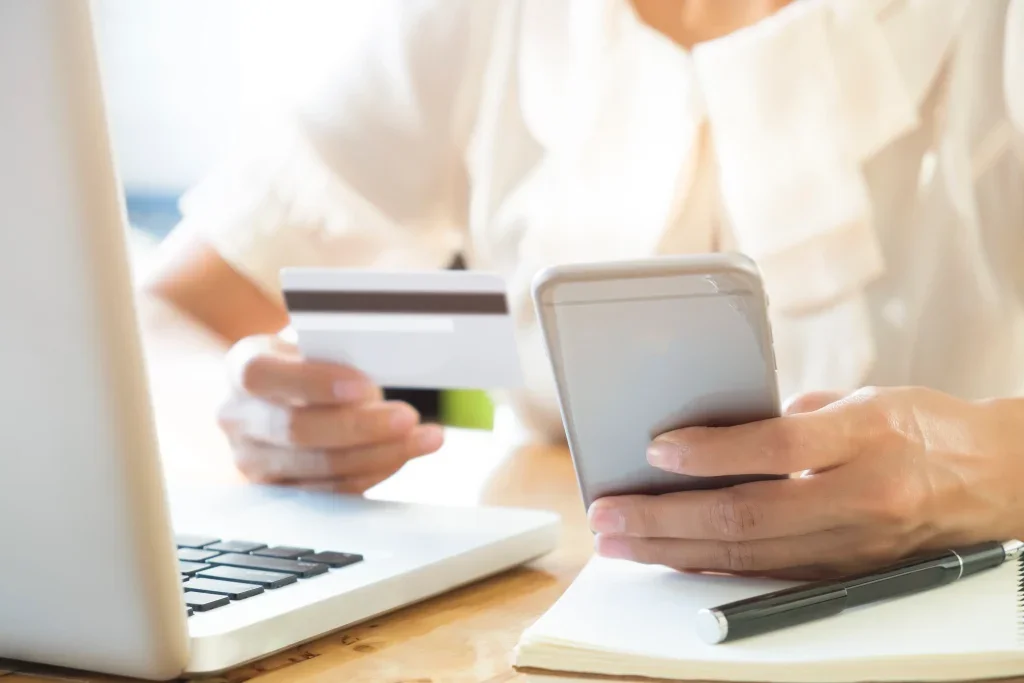
Most people start using online banking for simple tasks like checking their account balance or sending money.
However, modern banking apps now allow users to manage almost every part of their finances remotely.
For example, many people use their mobile banking app daily to pay bills, receive salaries, transfer money to family members, or track spending after shopping.
Some apps also allow users to create savings goals, manage subscriptions, exchange currencies, or send international payments directly from their phone.
Another useful feature is real-time control over cards and payments.
If a debit card gets lost or suspicious activity appears on the account, users can often freeze the card instantly without calling the bank.
Many apps also provide spending notifications after every purchase, which makes tracking finances much easier.
Some banks now integrate their apps with digital wallets and contactless payment systems, allowing people to pay directly through their phone while shopping or travelling.
The exact features depend on the bank or financial platform, but modern digital banking services are designed to replace many tasks that previously required visiting a physical bank branch.
Is Online Banking Safe?
For most people, online banking is safe when basic security precautions are followed.
Modern banks use encryption, identity verification, and fraud detection systems to protect user accounts and financial transactions.
However, the biggest risks usually come from scams and unsafe user behavior rather than the banking apps themselves.
For example, phishing scams became very common in recent years.
Some scammers send fake emails or SMS messages pretending to be a bank and asking users to “confirm” their password or banking information. Others create fake banking websites or apps designed to steal login details.
This is why it is important to:
- use only official banking apps
- avoid clicking suspicious links
- and never share passwords or verification codes with anyone
Using public WiFi networks for sensitive banking activity can also increase security risks, especially on unsecured connections.
Most banks now also offer two-factor authentication, sometimes called 2FA, which adds an extra security step during login or payments.
Even if someone discovers your password, they usually cannot access the account without the second verification code sent to your phone or device.
Another good habit is checking your account activity regularly.
Modern mobile banking apps make this much easier because users receive instant notifications after purchases, transfers, or suspicious activity. That allows people to react quickly if something unusual happens.
Advantages of Online Banking

Faster Everyday Banking
One of the biggest reasons people use online banking today is speed and convenience.
Tasks that once required visiting a bank branch can now be completed directly from a phone in just a few minutes.
Sending money, checking balances, paying bills, or reviewing account activity became much easier through modern mobile banking apps.
Real-Time Financial Tracking
Many banking apps now send instant notifications after purchases, transfers, or subscriptions. This makes it much easier to monitor spending and quickly notice unusual account activity.
For many users, this type of real-time tracking helps improve budgeting and overall financial awareness.
Easier Card and Account Management
Modern digital banking platforms give users much more direct control over their finances.
Instead of contacting customer support for every issue, people can often freeze cards, update settings, review transactions, or manage subscriptions directly from the app itself.
Better Access While Traveling
Online banking is especially useful for people who travel often, work remotely, or shop internationally.
Many apps now support international transfers, contactless payments, and multi-currency features that make managing money abroad much simpler than traditional banking methods.
Disadvantages of Online Banking
Security and Scam Risks
Even though banking apps are much safer today than they were years ago, online scams still remain one of the biggest risks.
Fake banking websites, phishing emails, suspicious SMS messages, and public WiFi networks can sometimes expose sensitive financial information if users are not careful.
Dependence on Internet and Technology
Since online banking depends entirely on internet access and digital devices, technical problems can sometimes interrupt access to accounts.
App outages, slow connections, forgotten passwords, or phone issues may temporarily prevent users from completing important transactions.
Can Be Difficult for Some Users
People who are not comfortable using smartphones or digital technology may initially struggle with mobile banking apps.
Older users, especially, may prefer face-to-face banking because digital platforms can sometimes feel confusing or overwhelming at first.
Limited Human Support
Even though many banking apps offer customer support through chat or phone services, some problems are still easier to solve in person.
Complex account issues, identity verification problems, or blocked accounts may sometimes require visiting a physical branch anyway.
Is Online Banking Worth Using?
For most people today, online banking is no longer just an optional feature; it became part of everyday financial life.
Paying bills, checking balances, sending money, shopping online, or managing cards can now be done much faster through a phone than through traditional banking methods.
That convenience is one reason why millions of people now rely on digital banking daily, especially for remote work payments, online shopping, subscriptions, and international transactions.
However, using a mobile banking app responsibly is just as important as using it conveniently.
Strong passwords, two-factor authentication, and basic awareness of scams still play a major role in keeping accounts secure.
For most users, the advantages now clearly outweigh the disadvantages, especially when online banking is used carefully and through trusted financial platforms.
FAQ
Is online banking safe?
Yes, online banking is generally safe when users follow basic security practices like using strong passwords, enabling two-factor authentication, and avoiding suspicious links or public WiFi networks.
Do I need to visit a bank branch to use online banking?
Usually yes, at least when opening a bank account for the first time. After that, most banking tasks can normally be managed through the app or website.
Can I send money internationally through online banking?
Many banks and financial platforms now support international transfers directly through their mobile banking app, although fees and transfer times can vary.
What happens if I lose my phone?
Most banking apps allow users to log out remotely, change passwords, or freeze cards quickly. Your account is usually still protected through passwords and verification systems.
What is the difference between online banking and mobile banking?
Online banking refers to managing finances through the internet in general, while mobile banking specifically means using a banking app on a smartphone or tablet.
Conclusion
Online banking changed the way people manage money by making everyday financial tasks faster, more flexible, and easier to access from almost anywhere. From paying bills and tracking spending to sending money internationally, modern banking apps now handle tasks that once required visiting a physical branch.
At the same time, using digital banking responsibly remains important. Strong security habits and awareness of online scams still play a major role in protecting personal and financial information.